Mail Envelope with Heart
A Thoughtful Touch for Meaningful Personalized Gifts
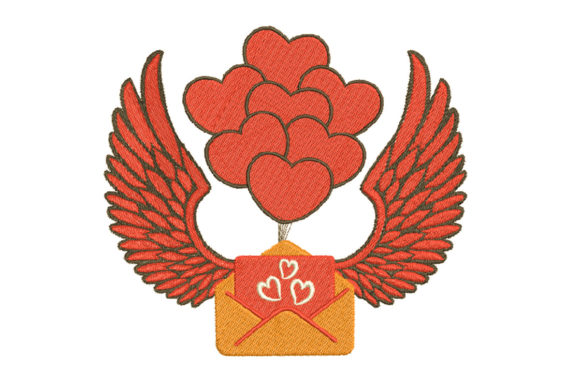
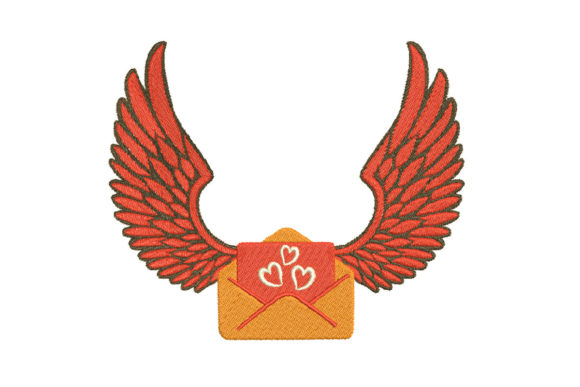
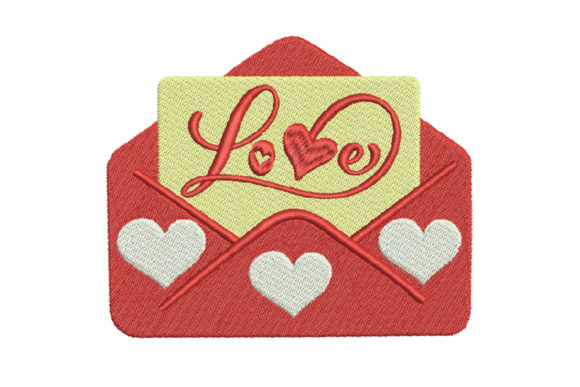
As an embroidery designer who’s developed and tested over 300 machine embroidery designs for small shops and handmade sellers, I approached the Mail Envelope with Heart with quiet anticipation—not just as another Valentine’s Day motif, but as a potential emotional anchor for personalized gifts. From the first glance at the digital embroidery file, it struck me as quietly confident: not overly ornate, not cutesy, but warm, intentional, and deeply human. It carries the gentle charm of a handwritten note slipped into a real envelope—soft curves, a centered heart that feels hand-drawn rather than stock, and clean line work that suggests care in digitizing. This isn’t a seasonal flash-in-the-pan; it’s a classic romantic motif with modern restraint.
Where This Design Truly Shines
The Mail Envelope with Heart excels where emotional resonance meets everyday utility. Picture it stitched onto a soft cotton baby blanket—centered just above the hem, paired with a newborn’s name in delicate script. It transforms a functional item into a family keepsake, whispering “you’re loved before you even arrive.” For wedding gift designers, it’s ideal on linen pillow covers or monogrammed kitchen towels—subtle enough for minimalist couples, meaningful enough to last decades. Etsy sellers will find strong appeal in nursery decor: framed hoop art, embroidered wall hangings, or even custom tote bags for new parents carrying diapers and hope.
Small shop owners love how easily it adapts across product categories. On a lightweight apron? Charming and cohesive. On a cotton-linen blend pillow cover? Elegant and tactile. As blanket embroidery on a receiving blanket or a quilt square? Timeless. Craft fair vendors report customers pausing longer when this design appears in their booth—it invites touch, conversation, and connection. That pause matters. It signals perceived value, handmade quality, and intentionality—exactly what buyers seek in a personalized gift.
Smart Pairings for Real-World Products
- Baby embroidery: Works beautifully on onesies (with proper stabilizer), burp cloths, and milestone blankets—especially when paired with soft pastel thread colors and organic cotton fabric.
- Wedding gift: Elevates linen napkins, guest book covers, or “Mr. & Mrs.” towel sets without overwhelming the aesthetic.
- Personalized towel: Stitches cleanly on medium-weight terry, especially when placed on the corner or cuff—avoid high-pile areas where stitch definition blurs.
- Pillow cover & tote bag: A natural fit for flat, stable surfaces. The envelope shape reads clearly even at modest sizes (3.5–4 inches wide).
- Custom order preview: Prints well in printable mockups—its clean lines translate reliably to digital previews, helping customers visualize the finished product before purchase.
Where to Use Care—and Why
Like any thoughtful design, the Mail Envelope with Heart has boundaries worth honoring. Its delicate fold lines and subtle heart contour can soften or disappear on heavily textured fabric—think thick waffle-weave towels or nubby bouclé blankets. Avoid placing it directly on stretchy baby clothes unless you’ve tested stabilization thoroughly; shifting fabric distorts the envelope’s symmetry. Curved surfaces (like mugs or rounded cosmetic bags) aren’t suitable—this is a flat-surface embroidery file. On dark fabric, confirm thread color contrast in your test run; light pinks or creams may fade visually without careful selection. And because many recipients wash embroidered items regularly—especially towels, baby blankets, and aprons—always verify stitch density supports durability. Overly dense fills trap moisture and wear faster.
What This Design Says to Your Customer
When someone chooses a product featuring the Mail Envelope with Heart, they’re not just buying embroidery—they’re choosing sentiment with substance. It signals that the giver paused, imagined the recipient opening something heartfelt, and chose meaning over mass production. That impression boosts trust in your small shop product. Buyers associate clean, balanced digitizing like this with professional craftsmanship—no jagged edges, no floating stitches, no awkward gaps. In product photography, it photographs exceptionally well: the shape creates natural visual rhythm, and the heart draws the eye without shouting. On Etsy listings, it increases engagement—shoppers linger, save, and message with personalization requests (“Can you add our names inside the envelope?”).
Practical Embroidery Notes You’ll Want to Follow
- Always test on scrap fabric matching your final product’s weight and weave—especially for baby embroidery or embroidered towels.
- Confirm hoop size compatibility before cutting production fabric. If your machine requires re-hooping mid-design, plan for alignment markers.
- Review stitch density—if the fill looks too heavy for lightweight fabric, adjust underlay or reduce density slightly.
- Choose stabilizer wisely: tear-away for stable cottons, cut-away for knits or stretchy blends, and water-soluble topping for towels to prevent thread sinking.
- Compare light and dark fabric mockups side-by-side—thread colors behave differently, and contrast affects emotional impact.
- Inspect small details after stitching: ensure the heart remains distinct and the envelope flap reads as intentional—not blurred or lost in texture.
- Verify commercial licensing before selling finished products. Since the description notes “This machine embroidery design comes wit…” (truncated), double-check license terms directly with the source—never assume.
A Design That Grows With Your Business
The Mail Envelope with Heart isn’t limited to February. It’s equally at home on Mother’s Day tea towels, anniversary pillow shams, or “Welcome Home” baby gifts. Its versatility makes it a smart investment for digital embroidery file libraries—reusable across seasons, audiences, and product types. For handmade sellers building long-term customer relationships, it’s more than decoration. It’s a quiet promise: that every stitch carries care, every gift tells a story, and every envelope holds something worth opening—again and again.