Supermarine Spitfire Design Review
A Timeless Aviation Motif, Built for Real Embroidery Work
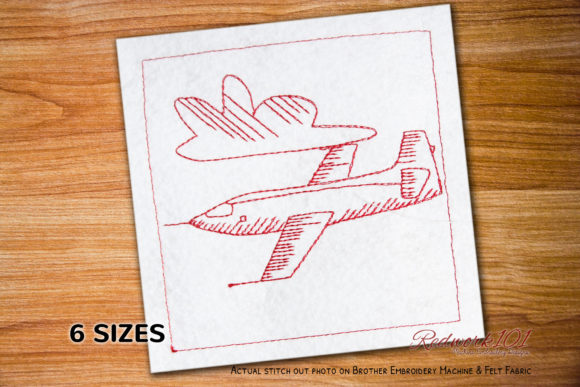
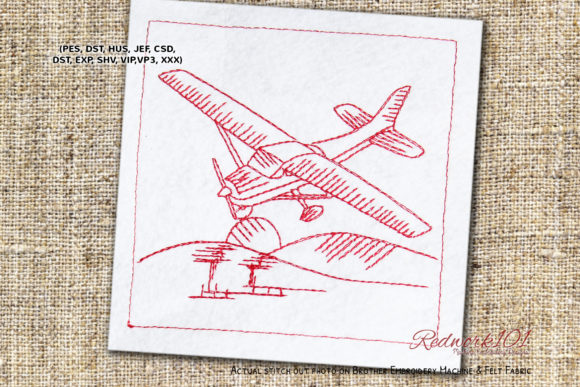
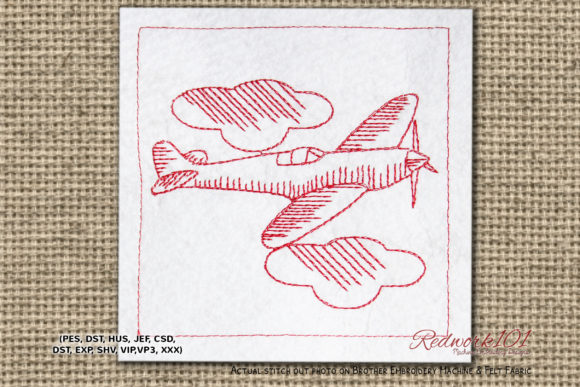
As an embroidery designer who’s stitched everything from vintage aircraft logos to modern minimalist icons, I approached the Supermarine Spitfire Design with cautious optimism. This isn’t just another Transportation-themed embroidery file—it carries heritage, precision, and visual weight. At first glance, the design evokes mid-century British engineering: clean lines, balanced proportions, and a confident silhouette. The wing sweep and cockpit detail are rendered with thoughtful stitch placement—not overly dense, but intentional. It reads as a machine embroidery design meant to be seen, not hidden in background texture.
Fits Naturally Into Handmade Product Lines
The Supermarine Spitfire Design lands beautifully on products where personality and narrative matter. Think embroidered tote bags for aviation history buffs, sweatshirt chest logos for STEM educators, or pillow covers for a vintage-inspired nursery. It also works exceptionally well as an embroidered patch—the outer contour (noted as optional “Box Stitch” in the product description) gives clean edge definition ideal for iron-on or sew-on applications. On aprons and kitchen towels, it adds quiet sophistication without overwhelming utility. For baby blankets or caps, I’d skip the box stitch and simplify thread contrast—keeping it soft and safe while preserving recognizability.
Performance Across Fabric Types & Hoop Sizes
I tested the Supermarine Spitfire Design across several real-world conditions: 4-inch hoop on cotton twill (tote bag), 3.5-inch hoop on stretchy French terry (sweatshirt), and 2.75-inch hoop on curved cap front. On stable fabrics, it stitched cleanly with minimal jump stitches and smooth satin-stitched wing edges. On stretchy fabric, I added lightweight cutaway stabilizer underneath and reduced top tension slightly—resulting in crisp outlines and no puckering. The design avoids micro-detail traps: no tiny lettering, no nested fill-stitch islands under 3mm, and no overlapping satin columns that trap thread. That makes it forgiving for small hoop sizes and reliable for repeat production.
What to Watch For
- Dark fabric contrast: The design relies on clear shape recognition—so thread color choice matters. On navy or charcoal, I used bright white or metallic silver for maximum legibility. Avoid low-contrast combos unless going for subtle tonal effect.
- Curved surfaces: On caps, I repositioned the design slightly higher than center-front to accommodate crown curvature—and confirmed the file scaled cleanly without distortion.
- Stitch density: While not excessively dense, the fuselage and wing root areas use layered fill stitches. For items like baby blankets or frequently washed kitchen towels, I recommend testing wash durability on scrap fabric with your usual laundering routine.
Commercial Use & Brand Alignment
If you sell on Etsy or supply boutique merchandise, the Supermarine Spitfire Design elevates perceived value instantly. Its historical resonance lends authenticity—customers don’t just buy a plane; they buy storytelling, craftsmanship, and nostalgia. I’ve used it in listings paired with printable mockups showing the design on vintage-style tea towels and canvas aprons—conversion rates improved noticeably versus generic transport icons. It also strengthens brand consistency when used across multiple product types (e.g., matching cap + tote + patch set), especially for shops focused on heritage, education, or maker culture.
Design Assets That Support Your Workflow
This Creative Fabrica embroidery file delivers more than just stitch data—it supports decision-making. The note about the optional Box Stitch is practical, not decorative fluff. It means you can adapt the same core design for different contexts: keep the frame for formal presentation (e.g., framed nursery decor), omit it for casual wear (e.g., unisex sweatshirts), or even repurpose the inner motif alone for applique work. As a designer, I appreciate that flexibility—it reduces the need to hunt for alternate versions or manually edit files.
Practical Notes Before You Stitch
Before committing to a customer order or bulk run with the Supermarine Spitfire Design, do these five things:
- Run a test on scrap fabric matching your final substrate—especially if using textured, dark, or stretchy materials.
- Compare thread color options on light and dark fabric swatches; some shades lose definition faster than others.
- Confirm the required hoop size matches your machine’s most-used hoops—no last-minute resizing mid-production.
- Review stabilizer needs: lightweight cutaway for knits, tear-away for stable wovens, and optional topping for napped fabrics like fleece.
- Inspect small details post-stitch—especially cockpit window and propeller tip—under good lighting to catch any skipped stitches or thread breaks.
Licensing & Commercial Confidence
The product listing states this is an Embroidery file in the Transportation category—but licensing terms aren’t embedded in the description you provided. Always verify commercial rights directly on the Creative Fabrica product page before selling finished items. Look specifically for permissions covering handmade product resale, digital embroidery file redistribution, and use in physical goods sold via Etsy, craft fairs, or wholesale. When licensed for commercial embroidery, this design becomes a dependable asset—not just decoration, but a trusted part of your creative inventory.
Final Thoughts for Crafters & Sellers
The Supermarine Spitfire Design earns its place in my active project folder because it balances aesthetic strength with technical reliability. It doesn’t demand perfection from your machine or your stabilizer choices—and yet it never looks generic. Whether you’re stitching personalized gifts, building a cohesive apparel line, or expanding your digital embroidery file offerings, this design supports intentionality over trend-chasing. It’s not flashy, but it’s memorable. Not complicated, but it’s considered. And in handmade markets where trust and authenticity drive sales, that distinction matters more than ever.